
Waiting for Rain
As I've gotten older, my relationship with the weather has certainly changed. When I was younger, a sunny forecast meant one thing… get outside! Playing. Fishing. Barbecues. Long evenings that seemed to last forever. Nowadays, after a couple of weeks without any meaningful rain, I find myself checking the weather forecast with the enthusiasm usually reserved for checking lottery numbers.
Not because I want summer to end, far from it, but because I find myself quietly wishing for a proper Dartmoor shower. Not the sort that appears for ten minutes before the sun comes back out as if nothing happened. I mean the slow, steady soak that quietly drifts in from the Atlantic, settles itself over the moor and gets to work. Now, I'm not suggesting we all meet on the village green wearing leaves and chanting at the clouds... but I'm beginning to understand why our ancestors gave it a go!
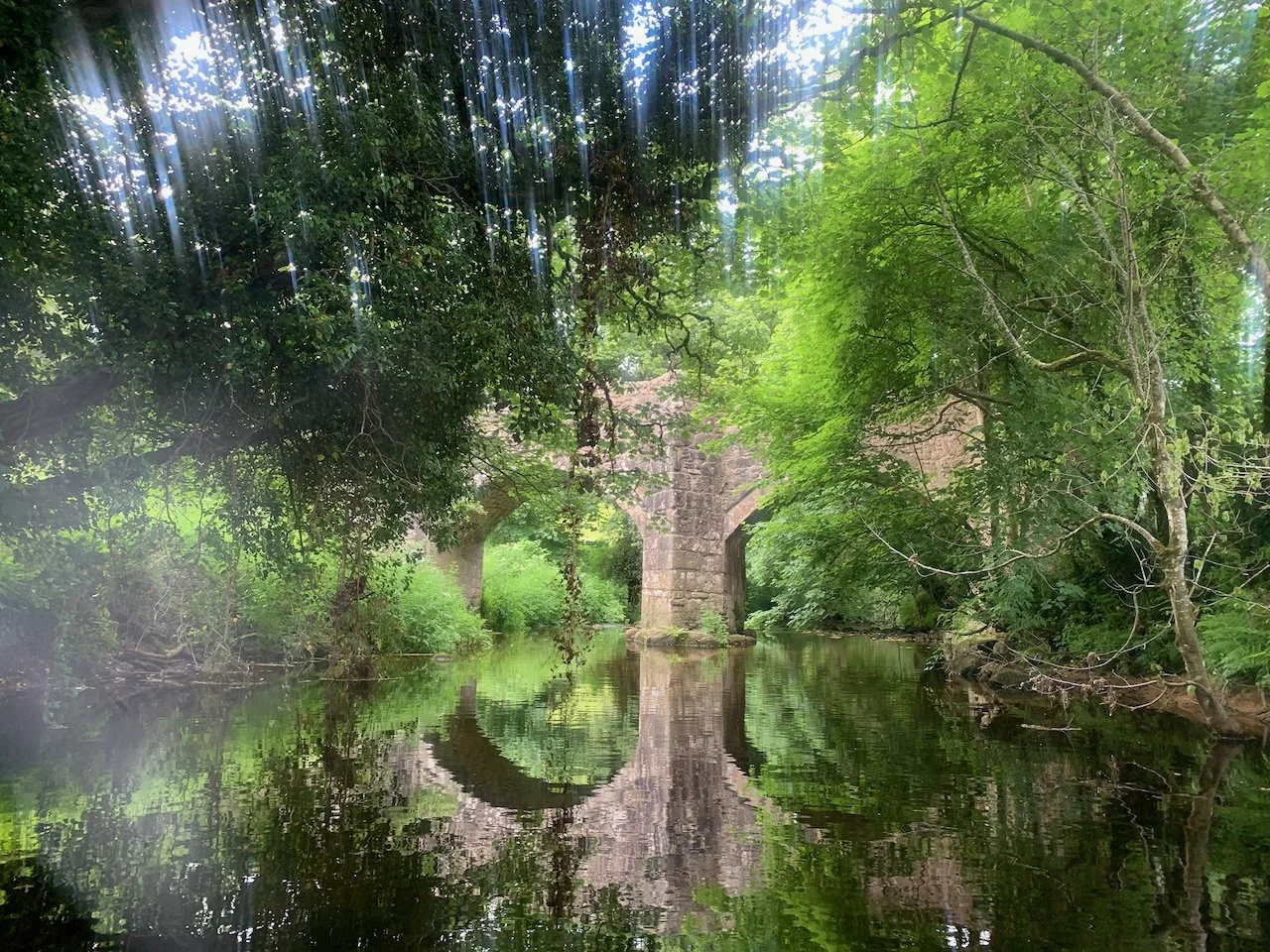
Slow Flow at Chagford Bridge…
The river is waiting
Walk almost any stretch of the river today and, at first glance, everything looks fine. The water is still flowing. Trout are still rising in the evening. Kingfishers continue to flash through the valley like tiny blue missiles. To most people, the river simply looks normal. But spend a little longer there, and you'll begin to notice a few subtle clues.
The water level is much lower, and its temperature is climbing slowly. The riffles have lost just a little of their energy. Boulders that sat beneath the surface a month ago are now poking through the flow. The river isn't in trouble… It's simply waiting. Waiting for its next rain recharge. And, in many ways, so are we.
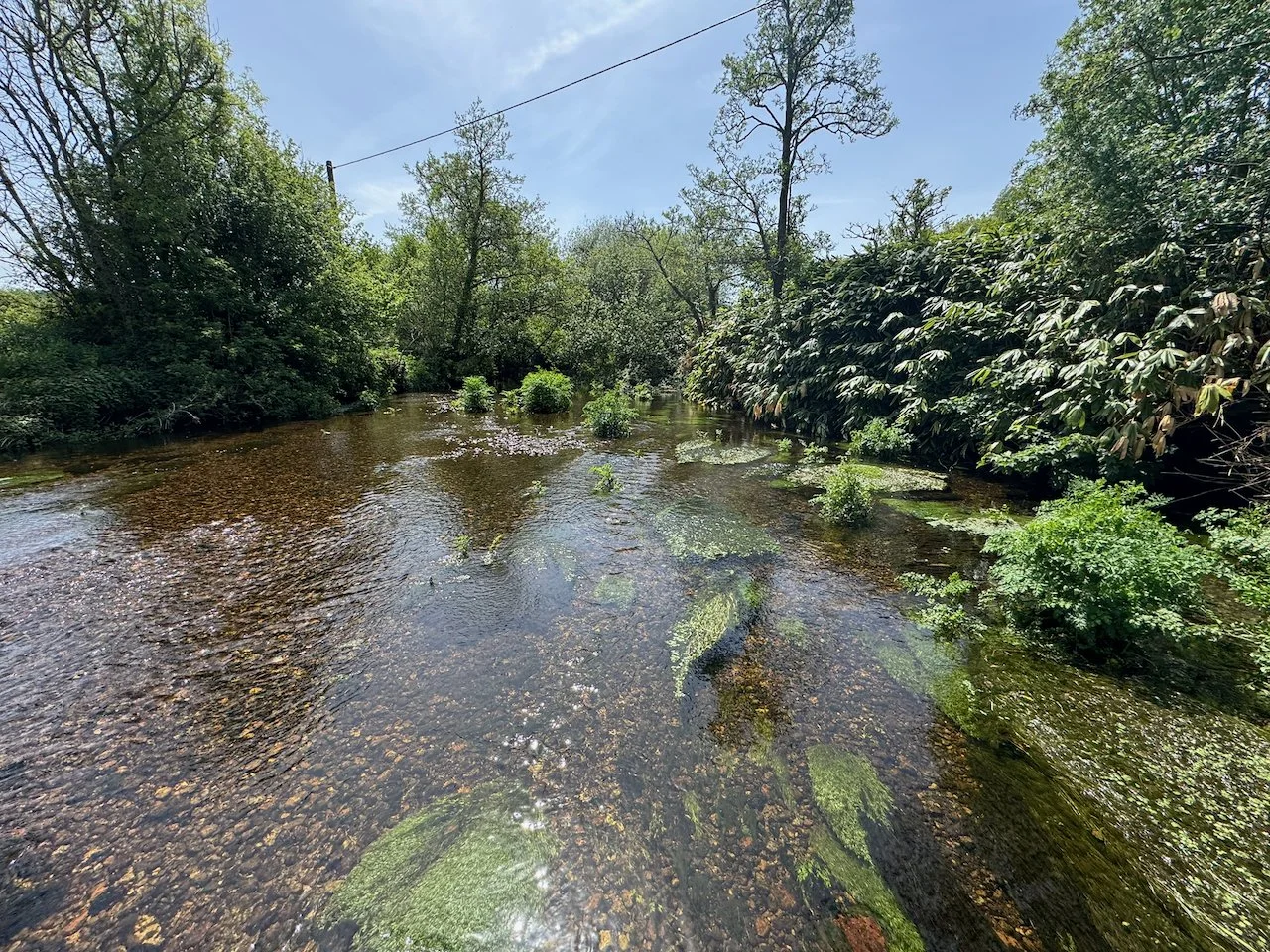
Rushford Steps looking very skinny…
More than just topping it up
It's easy to think that rain simply fills rivers back up again. In its simplest form, it does. However, in reality, though, it does far more than that. Fresh rain cools the water. It replenishes groundwater. It reconnects tiny trickles that have dried up in this heat over the past few weeks. It refreshes the river's chemistry and helps restore dissolved oxygen that fish, invertebrates, and every other living thing depend upon.
For Atlantic salmon and brown trout, that matters enormously. Cooler water carries more oxygen. Fish feed more confidently. Stress levels reduce. The whole system simply begins to breathe a little easier. The rain doesn't just refill the river… it refreshes it.
Every drop counts
One of the things we've talked about a lot recently is building resilience. This can be achieved in many ways… Riparian woodland. Leaky dams. Peatland restoration. Slowing up surface runoff. At first glance they can all seem like separate projects, but they're not. They're all working towards exactly the same goal: holding onto precious water for just a little bit longer.
Because every drop that lingers high on Dartmoor is another drop that slowly feeds the catchment when conditions become drier. Over the past couple of weeks I've wandered back to some of the restoration sites we've completed with our volunteers and partners, and the difference has been genuinely encouraging.
The woodland floor around the Heltor Brook and the wonderfully named Toilet Brook is still noticeably softer underfoot. Areas that once shed water quickly are now holding onto a bit more moisture. Mosses and ferns remain lush, and small pools in the brook continue to persist and cascade down into the next. The work is doing exactly what we hoped it would do. But it doesn't stop droughts. It can't stop summer. It simply helps the catchment cope a little better when nature throws a curveball.
And perhaps that's one of the most important lessons river restoration has shown me. Nature rarely asks for perfection. In fact, scruffy is usually better. What nature asks for is a helping hand.
Thinking like a sponge
Dartmoor has always been famous for its rain. It’s not known as ‘Soakhampton’ for nothing! Yet for generations we've also become remarkably good at encouraging any fallen rain to leave the landscape as quickly as possible. Think about how many rivers have been straightened. How many wetlands have been drained. How many streams were deeply incised through centuries of tin streaming across Dartmoor.
The irony is that we're now finding ourselves trying to undo much of that work. Not because drainage was wrong for its time, but because the challenges have changed. Today, resilience is quietly creeping up the priority list… much like the mercury has been over the past few weeks!
And this resilience looks more like healthy peatlands, diverse ancient woodland, floodplains that reconnect and small streams allowed to spill gently into the surrounding landscape. They're all doing exactly the same thing. Teaching the catchment to behave a little more like a sponge.
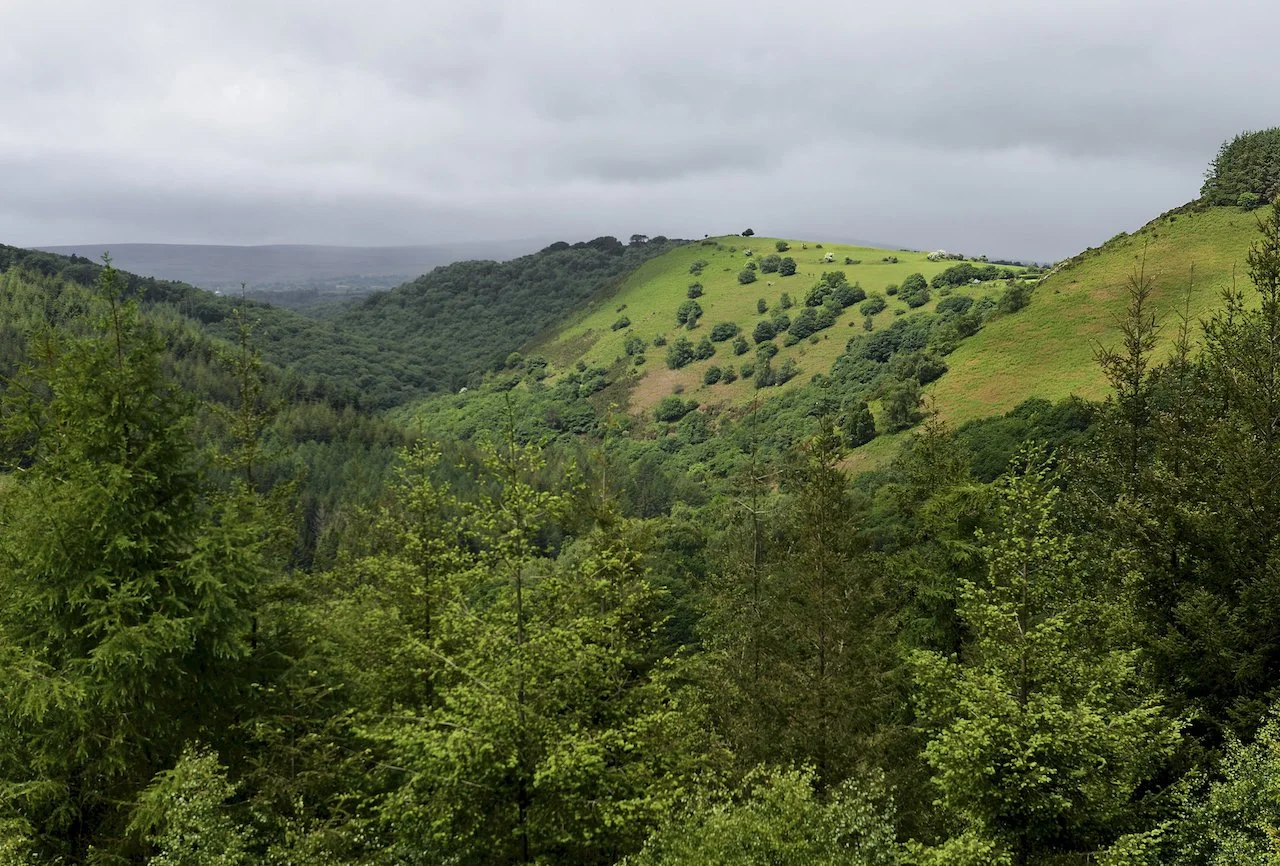
What I’d give for a sky like this right now…
Rain will arrive
Eventually, the rain will come. It always does. As Dr Ian Malcolm (got to love the mighty Jeff Goldblum) famously quoted in Jurassic Park, "Life finds a way."
With rain, the river will rise again. Fresh water will tumble off the moor. The riffles will find their pace again. The trees will intercept another season's rainfall. And somewhere beneath the surface, countless creatures will simply get on with doing what they've always done. Until then, I, like all of us, will wait patiently and stare hopefully at any grey bottomed cloud.
Because perhaps the real measure of a healthy catchment isn't whether it can survive a wet winter. It's whether it can still look after itself after a long, hot summer. And thanks to the work of so many volunteers, landowners and partner organisations over the past few years, I'd like to think the Teign is becoming just a little better prepared for whatever the weather, and the future, decides to throw at it next.