
2025 - A Summary
As another year on the Teign draws to a close, it feels like a good moment to pause, take stock, and reflect on what has been achieved across the catchment. As we all know, rivers rarely respond to effort overnight, but they do respond to consistency, and 2025 has been a year where steady, thoughtful work has begun to show real signs of progress.
For all of you, our 2025 TACA Newsletter, now available to download, captures this far better than any single update ever could. It brings together the projects, partnerships, volunteer efforts and monitoring work that have shaped the year.
You can download the full newsletter using the button below:
A Year of Learning & Momentum
One of the most significant milestones, back in January of 2025, was the completion of the four-year River Teign Restoration Project. The data gathered through that work now underpins almost everything we do. It has helped identify where juvenile fish are thriving, where they are struggling, and which future interventions can genuinely deliver benefits. This allows us to plan the next phase of restoration with evidence, not guesswork.
This data-led approach runs right through the year’s work. From electrofishing surveys delivered in partnership with Westcountry Rivers Trust, to Riverfly monitoring carried out by volunteers, the picture emerging is one of cautious optimism. Several upper river sites are showing encouraging salmon fry numbers on the Teign - exactly what we hope to see in healthy nursery habitat - reinforcing the notion that when the habitat is healthy and present, fish numbers respond.
Practical Habitat Work Where It Matters
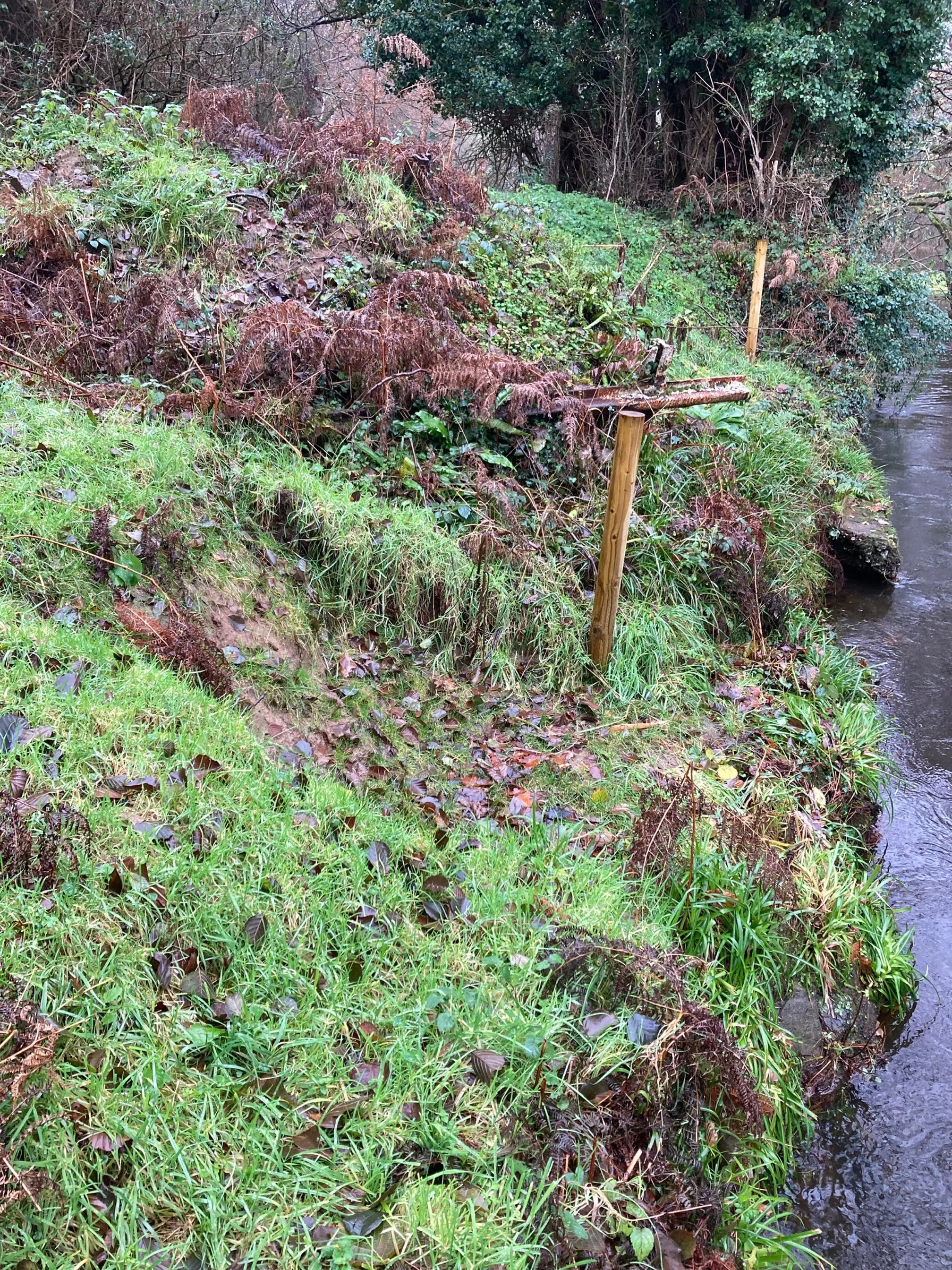
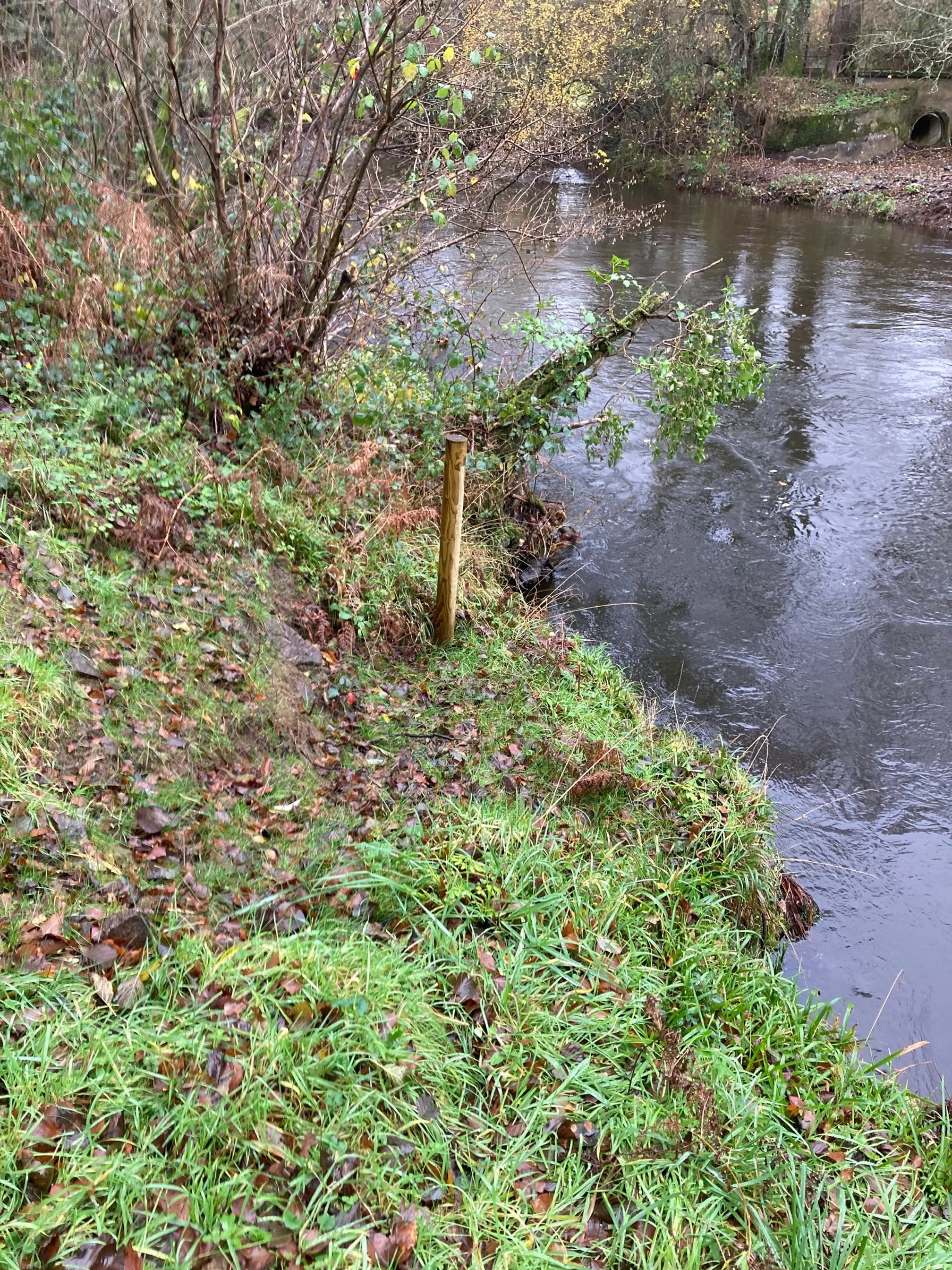
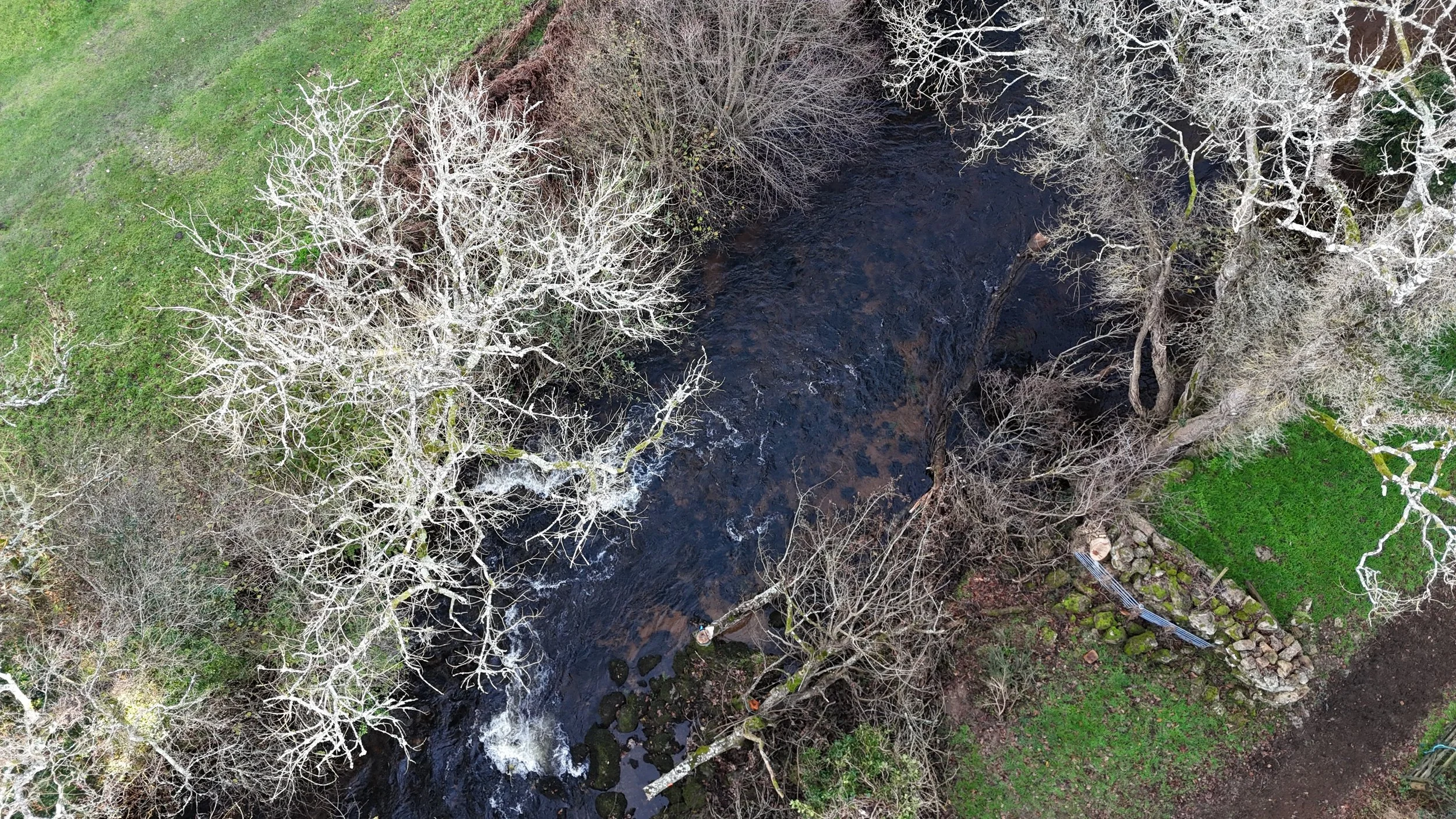
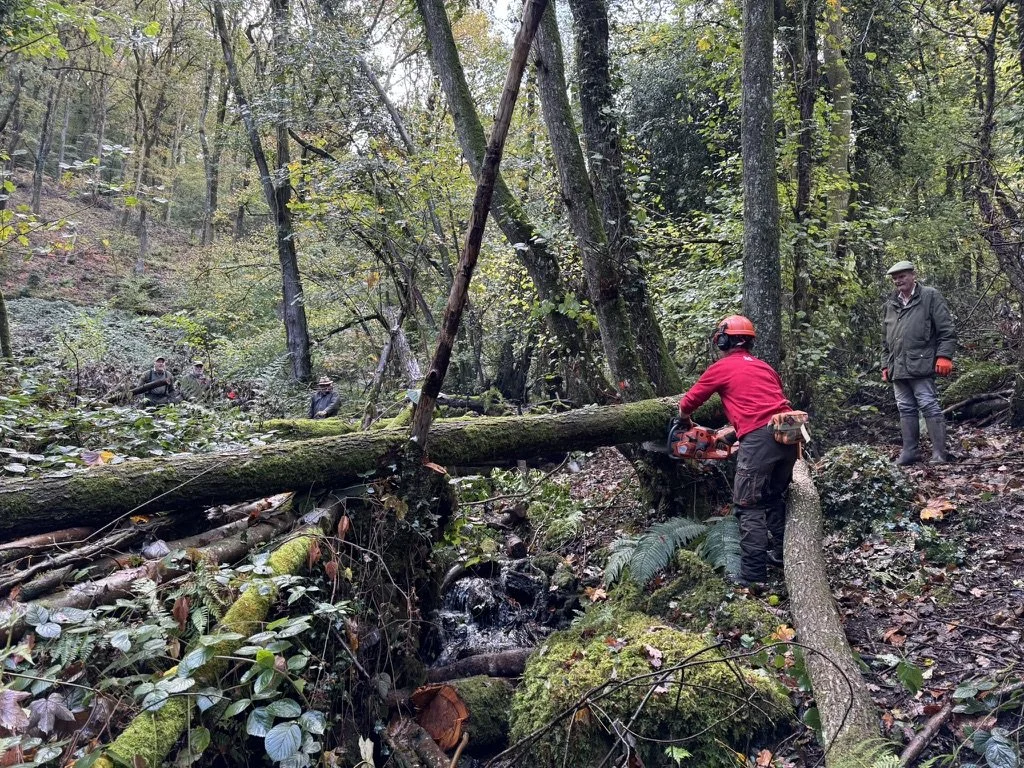
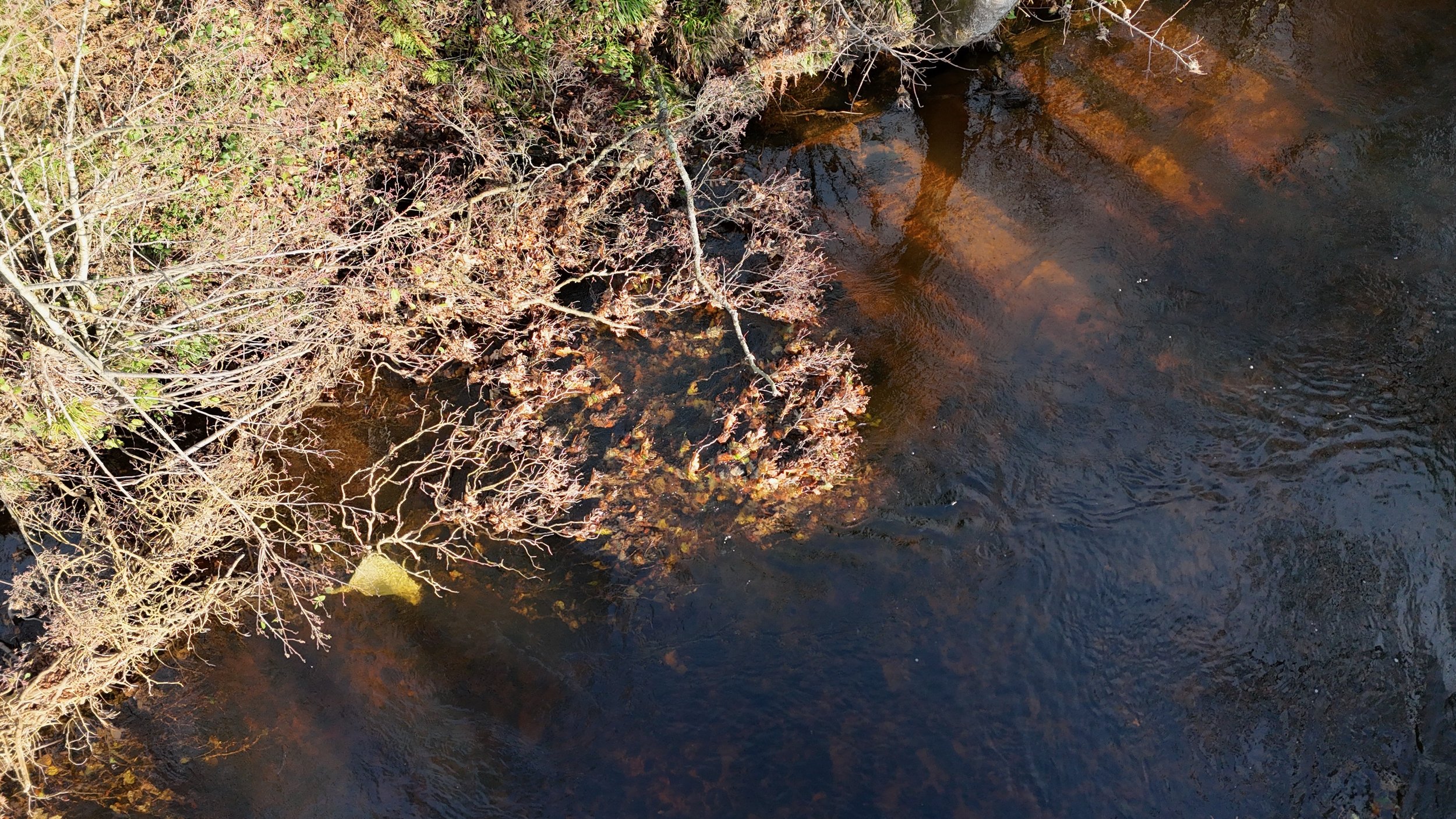
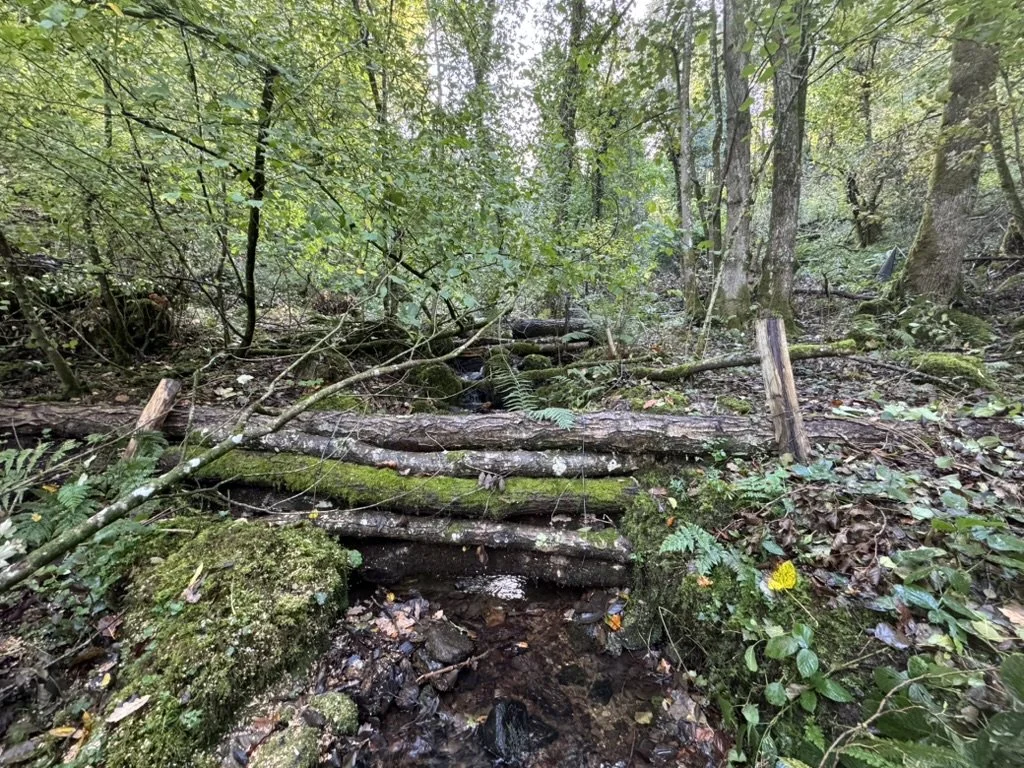
Across the catchment, 2025 saw a focus on practical habitat and access improvements. With funding support used by both Fishing Associations on the Upper and Lower river, work was delivered sensitively and thoughtfully. Thank you goes out to both associations for getting the work organised and delivered - And also for providing the pictures below. The works included stabilising eroding banks, enhancing flow diversity, addressing pinch points, and improving angler access where appropriate.
Crucially, habitat improvement and angler access have not been treated as competing priorities; instead, they’ve complemented one another - Better structure, more stable banks and improved flow benefit fish, while clearer, safer angler access benefits those who spend time on the river and care about its future.
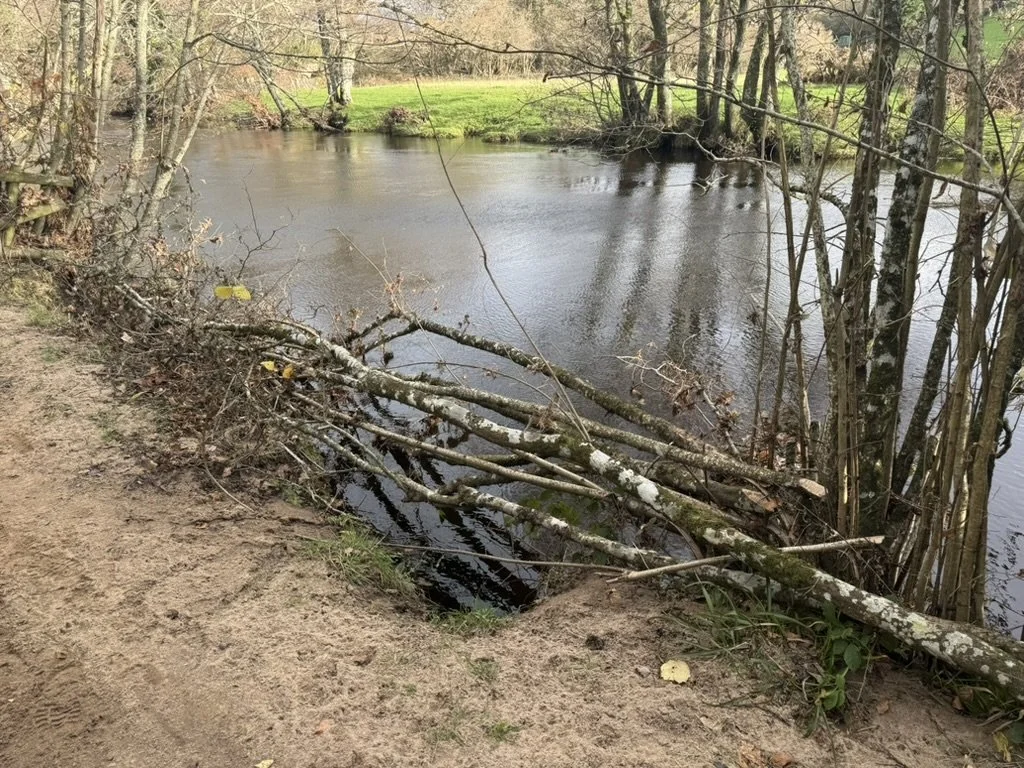
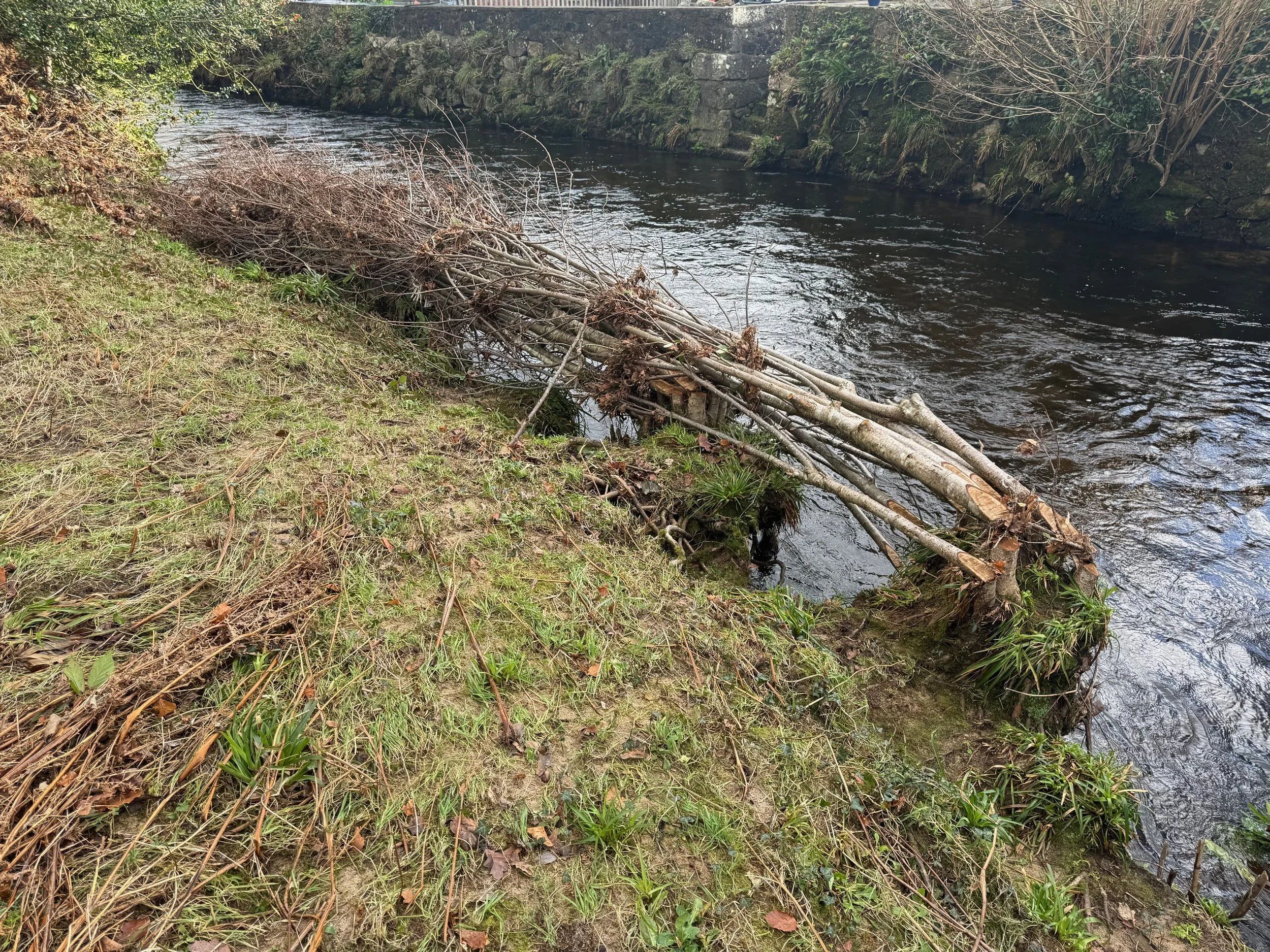
Working alongside the National Trust, volunteers delivered some impactful main-stem and tributary habitat work. From installing large woody debris and hinging trees into margins, helping to restore featureless stretches and building leaky dams in headwaters such as the Heltor Brook, this work will no doubt increase resilience in the future - particularly important when we cast our memories back to one of the hottest and driest summers on record.
Volunteers at the Heart of It All
If there’s one constant thread running through the newsletter, it’s the role of volunteers. From riverfly surveys to habitat days, from assisting with electrofishing to simply being extra eyes and ears on the river, the contribution of volunteers has, as always, been enormous.
As you are no doubt aware, Riverfly monitoring remains one of the most important early-warning systems in the catchment, often providing the first indication that something has changed - for better or worse. With some long-serving volunteers now stepping back, we’ll be looking to train a new cohort in 2026, ensuring this vital data stream continues.
It’s no exaggeration to say that much of what we know about the Teign today exists because people have been willing to give their time.
A More Joined Up Catchment
Another quiet success of 2025 has been the strengthening of partnerships across the catchment. Our long-standing relationships with the National Trust, Westcountry Rivers Trust and the Environment Agency continue to deepen, while new relationships have begun to form with the Teign Valley Facilitation Fund and Friends of the River Teign. This is an important step to ensure that everyone’s effort, knowledge and ambition are aligned rather than duplicated.
The Teign may be one river, but it passes through many hands and people, all doing great work. We hope that when these hands work together, the impact can be far greater.
Salmon & Sea Trout Numbers
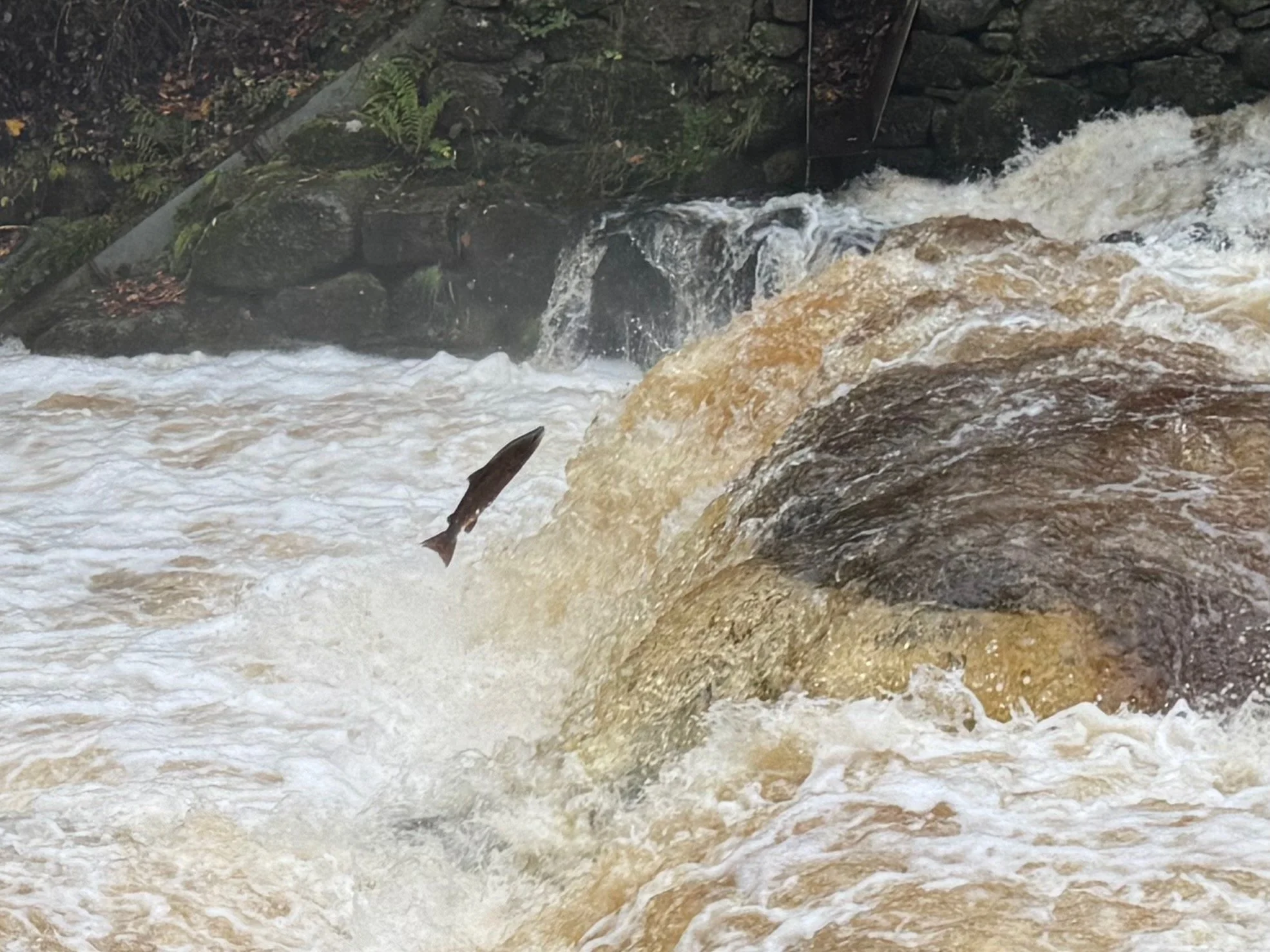
Figures from the fish counter (located at Sowton) saw more than 3,000 fish moving upstream throughout the year. This is the highest count in at least ten years on the river. It was particularly uplifting to see solid numbers move up during the first proper Autumn rains too, and this made for some particularly memorable scenes at Drogo Weir during October spates.
As winter sets in and we all pray for a good cold snap, attention now turns to redds - the gravel nests that mark the beginning of the next generation. Each one is a reminder that the work done today is always about fish we may not see return for several years.
Looking Ahead
The newsletter doesn’t shy away from the challenges ahead, but to me it does make one thing clear: momentum has returned. Funding opportunities are beginning to open again, partnerships are strong, and the catchment is better understood than it has been for many years. If 2025 was about learning, aligning and delivering, then 2026 will be about building on that foundation.
Thank You
To everyone who has contributed time, energy, skills, curiosity or support this year — thank you. The River Teign is better understood, better supported, and better placed to recover because of your efforts.
As we head into the festive period, I’d like to wish everyone a restful and well-earned Christmas break. Thank you for all the time, care and interest you’ve shown in the catchment this year - it really does make a difference.
I’m looking forward to picking things up again in 2026, continuing the conversations, the collaboration, and the steady work of helping the river along. Until then, enjoy the break…