
Joining the Water
There’s a phrase that crops up more times than not when spending time looking at rivers … "Everything is connected."
You hear it during habitat walkovers. You hear it when discussing barriers to migration, woodland, fish populations or water temperature. The longer you spend around a river, the more you realise almost nothing exists in isolation. Pull on one thread, and somewhere something else shifts in sympathy.
Recently, I watched Jo in the Water, a documentary that begins just one estuary north of us in Exmouth and follows Jo Bateman’s campaign and legal challenge surrounding water quality and our relationship with the waters around us.
Now, it would have been very easy for Mr Director to focus entirely on one person and one battle. But what struck me most was that it did something slightly bigger. It started joining dots.
Starting where water ends
One of the genuinely refreshing parts of the film was seeing Atlantic salmon woven into the wider story. Certainly not as an afterthought, but as part of the same conversation.
Because if you spend enough time caring about the sea, sooner or later you end up caring about rivers too. And if you spend enough time around rivers, eventually you begin understanding the sea.
Migratory fish don’t recognise the lines we draw on our maps, and salmon certainly don’t know when they’ve left a catchment area and find themselves in designated bathing waters. To them, it’s one journey in one giant connected system.
The water falling high up on Dartmoor eventually reaches estuaries and coastlines. Fish moving through these systems rely on every part of their route functioning properly as a whole. And suddenly, a sea swimmer standing on the coast and someone in waders, knee-deep in a river several miles inland, perhaps have more in common than either first realised.
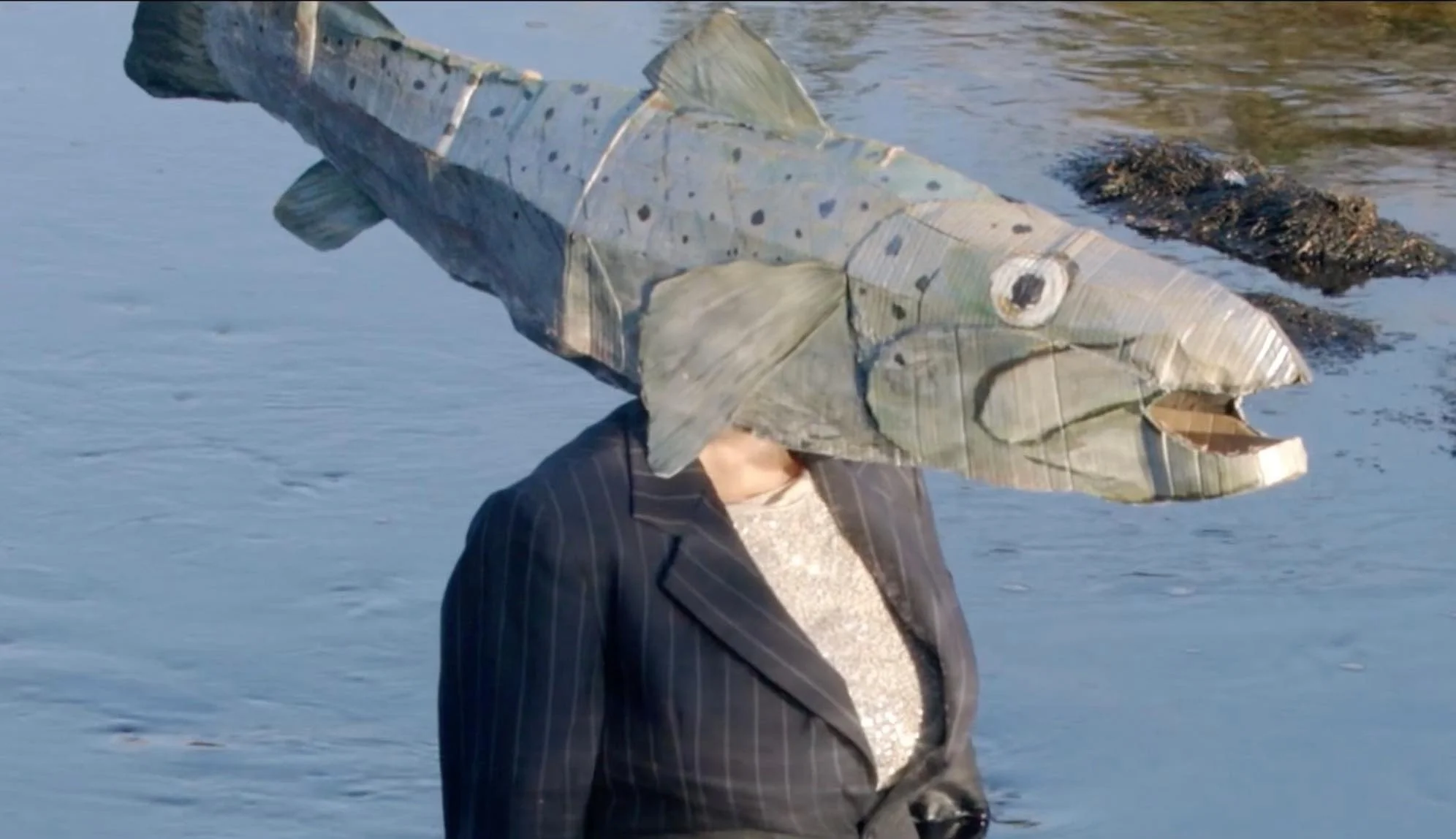
Not the prettiest fish I’ve ever seen, but it made a statement…
Choice is a luxury
There was one thing I kept coming back to after the screening. People can choose where they swim on a beach. If conditions aren’t right, there’s another bay and another day. We have choices.
Sadly, migratory fish don’t have that luxury. For salmon and sea trout, these waters aren’t places to visit; they’re home. They can’t simply decide that conditions or water quality looks better somewhere else. If a river becomes too warm, barriers appear, habitat is degraded or water quality suffers, they still have to live in it.
And perhaps, reflecting on this for a moment, that’s one of the film's strengths. It gently reminds us that while water quality rightly receives a huge amount of attention, it isn’t the whole story.
Because rivers, like most things in nature, seldom distil down to a single issue. All things matter… Temperature matters. Habitat matters. Flow matters. Sediment matters. Migratory connectivity matters. None sit neatly out there in isolation; they all overlap and influence one another in ways that are often easy to miss until someone helps join the dots.
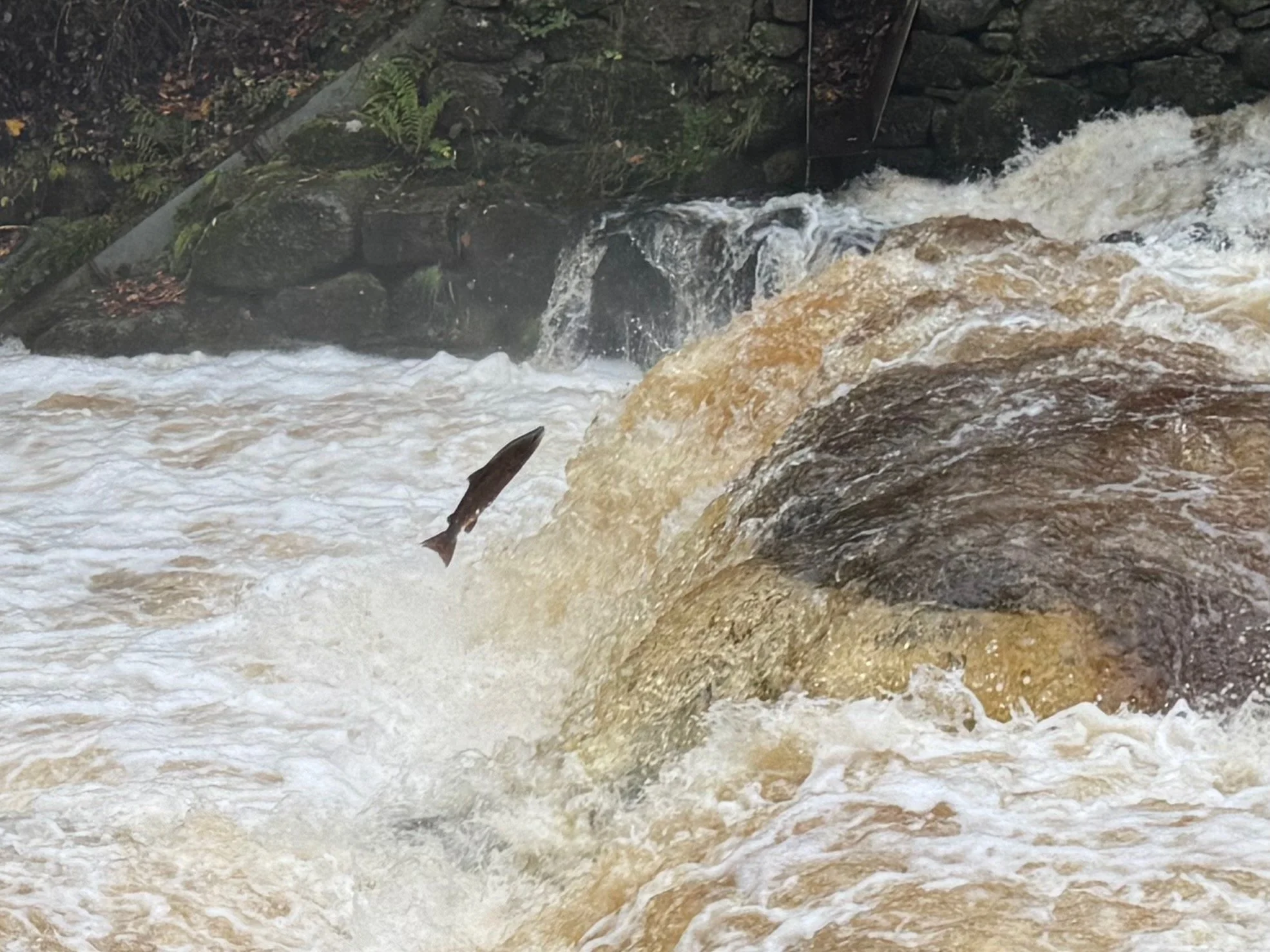
Joining people too
Perhaps more than anything, this is where this film succeeds. Because, beyond campaigning and courtrooms, it creates bridges between people who may not naturally see themselves standing side by side in the pursuit of achieving a common goal.
Anglers. Sea swimmers. Wildlife groups. River associations. "Friends of..." groups. Almost every river now seems to have a community gathered around it in some way, and almost every catchment has people giving up their own time because they care deeply about what flows through where they call home.
The question perhaps isn’t whether these groups exist, but whether we’re all connecting to a wider picture?
Because to me at least, awareness of river health goes beyond pollution alerts and water quality maps. It’s understanding species pressures. Understanding habitat. Understanding migration and catchment function. Understanding that what happens upstream eventually ends up downstream.
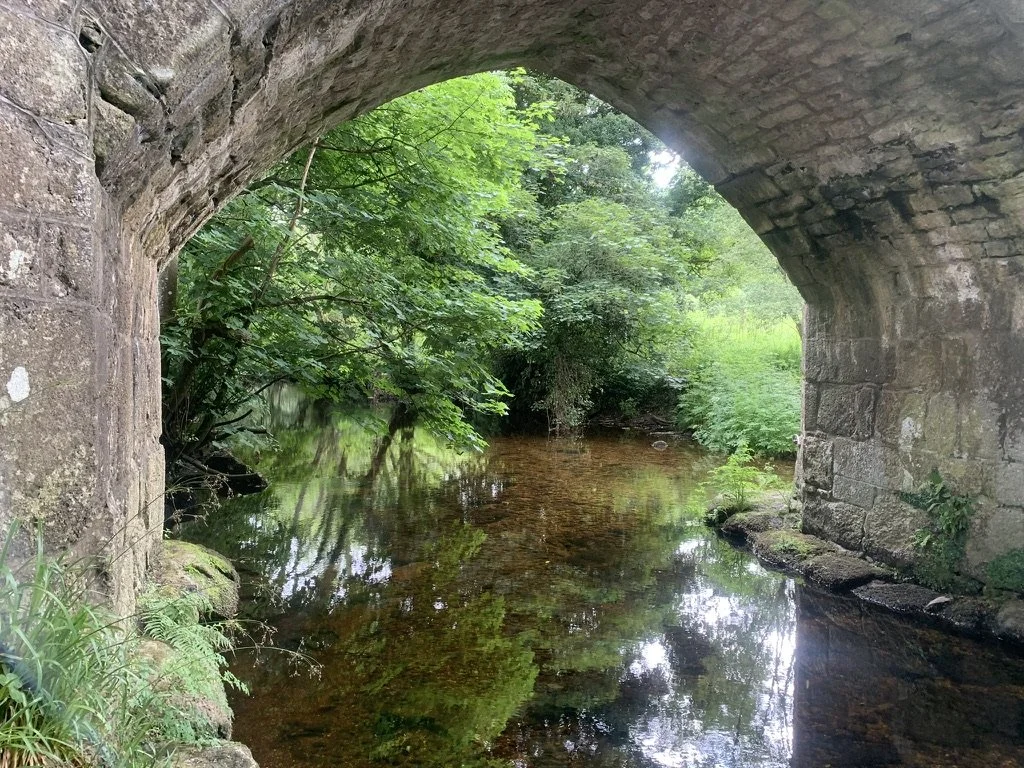
Eyes on the water
Anglers are often overlooked in these wider conversations, but perhaps they shouldn’t be. For as long as people have fished on rivers, they’ve quietly acted as eyes on the water. Noticing subtle changes and recognising when something simply doesn’t feel quite right.
And those observations matter every bit as much high in a tributary as they do in an estuary. Healthy rivers rely on people paying attention.
When I think about the thousands of people who may eventually watch Jo in the Water as it tours around the South West, I don’t just see a documentary about water quality, I see a platform for raising awareness.
Because if even a small number of people finish watching and begin asking the bigger questions. Those about rivers, fish, habitats and where water actually comes from, then that has to be a win. The story begins in Exmouth, just one estuary north of us on the Teign, but like all rivers, it quickly becomes something bigger.
After all, rivers have always connected places. Perhaps now they can help better connect the people, too.