
Looking up
Over the past few weeks I've probably written more than enough about warm rivers, low flows and waiting (now impatiently) for rain! And quite rightly too!
When you're passionate about rivers, it's difficult not to notice the challenges a prolonged dry spell can bring. But while wandering the river recently, I’ve noticed something else this summer. Not trout. Not even Kingfishers. But things with wings!
Now, before anyone starts sending me photographs asking for identifications, I should make one thing abundantly clear. I am far from an expert. I can usually manage the usual UK butterfly species and, if I'm feeling particularly confident, perhaps identify a Fritillary. However, beyond that, my identification skills rapidly descend into, "Well... that one was blueish!"
The one thing I’ve noticed this summer is just how much appears to be flying around. Specifically, Butterflies, Dragonflies and Damselflies. It feels as though every hot walk beside the river is accompanied by something fluttering past or hovering just above the water. Perhaps it's always been like that. Or perhaps this year really is a little different.
Either way, it got me thinking...
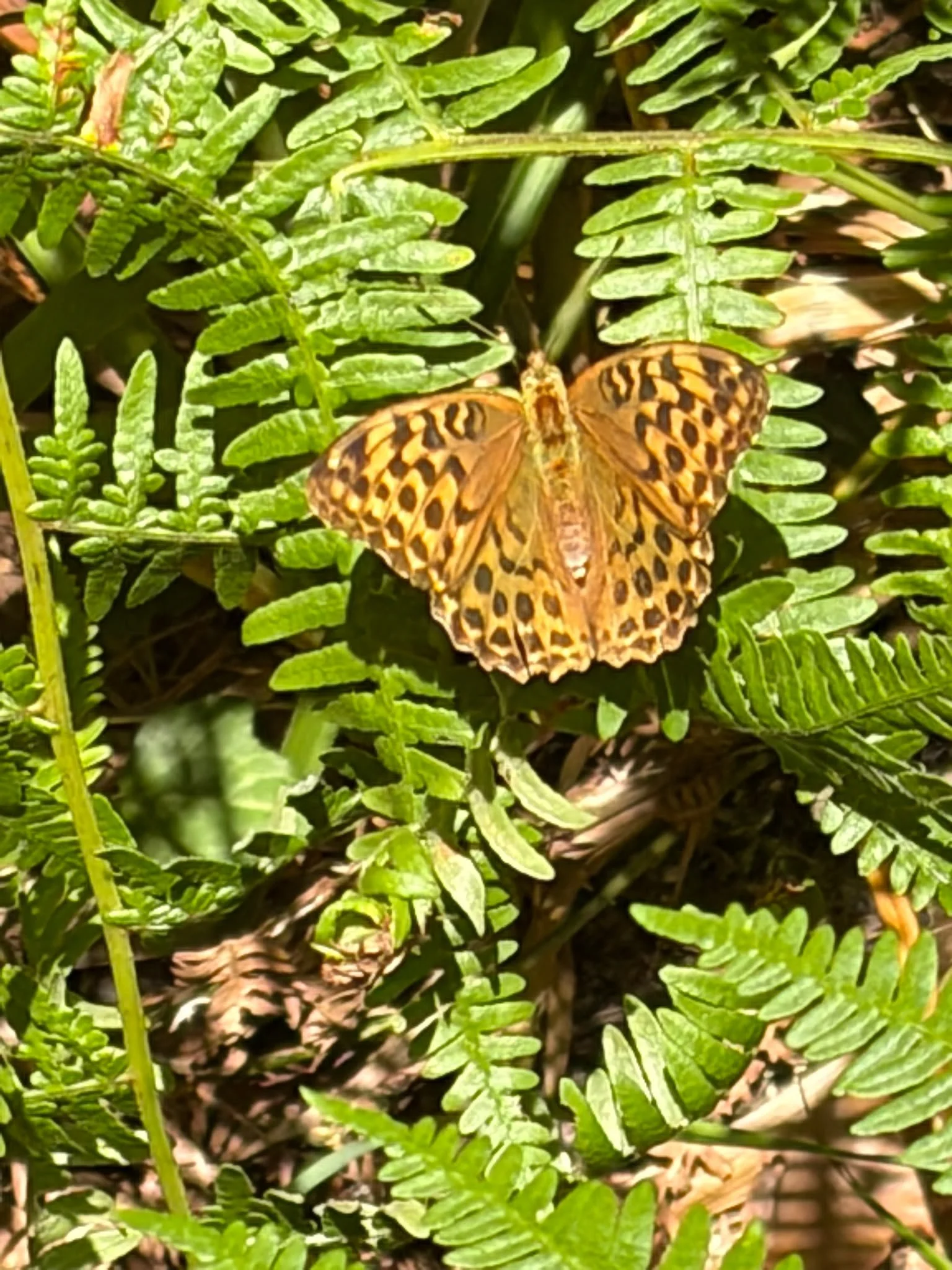
A fritillary, but which one?…
Sunshine Brings Life
A sustained spell of googling revealed that these recent observations weren't entirely too left of centre! Butterflies rely on warmth to become active. Unlike us, they can't simply put on another jumper. They need sunshine to warm their bodies before they can fly, feed and search for a mate. After a cool, damp spell they can seem almost invisible, only to burst into life after a few warm days. And, as I’ve recently learned, dragonflies are much the same.
Warm, settled weather provides ideal conditions for hunting, breeding and flying, which is one of the reasons they become such a familiar sight during summer. Of course, there is a balance. A prolonged drought isn't good for everything. The plants that butterflies depend upon can begin to suffer if dry conditions continue, while shrinking ponds and streams reduce habitat for species that spend part of their lives underwater.
Nature, as ever, likes things somewhere in the middle.
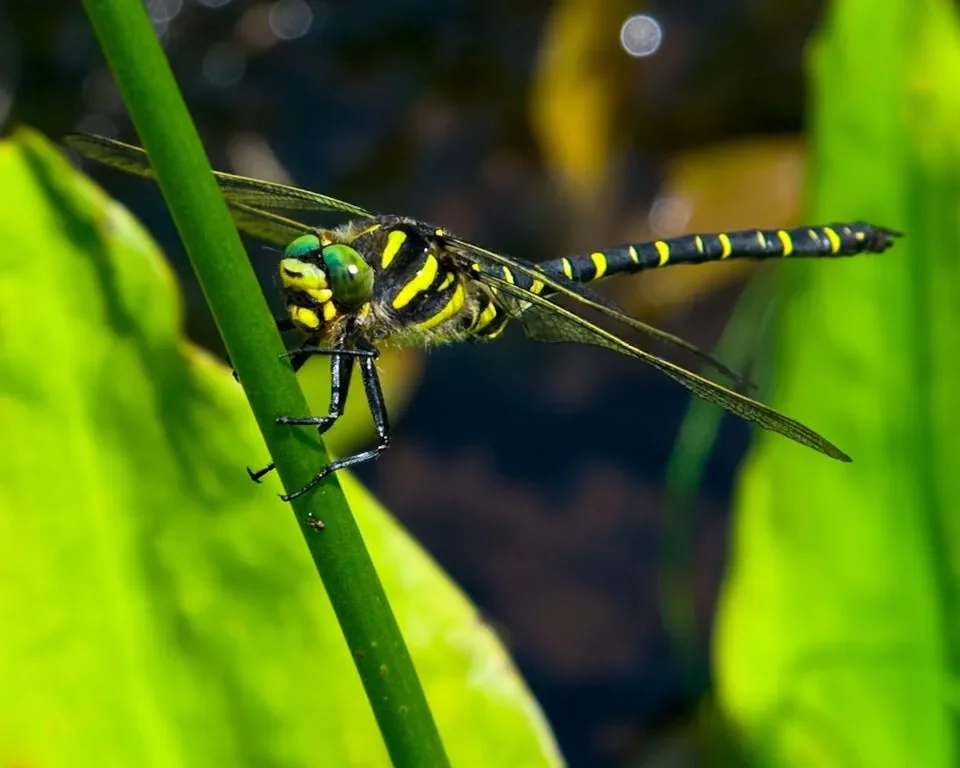
A Golden Ringed Dragonfly…
A Life Below the Surface
What surprised me most wasn't the butterflies. It was the dragonflies. I'd never really stopped to think where they came from.
Yet before becoming the aerial acrobats we admire on warm afternoons, dragonflies and damselflies spend much of their lives beneath the water as aquatic larvae. Depending on the species, they can remain there for several years, quietly hunting amongst gravels, stones and submerged plants before eventually climbing out and emerging into the adults we recognise. It’s funny that we spend so much time talking about what lives beneath the surface that it's easy to forget some of those animals eventually grow wings and fly away!
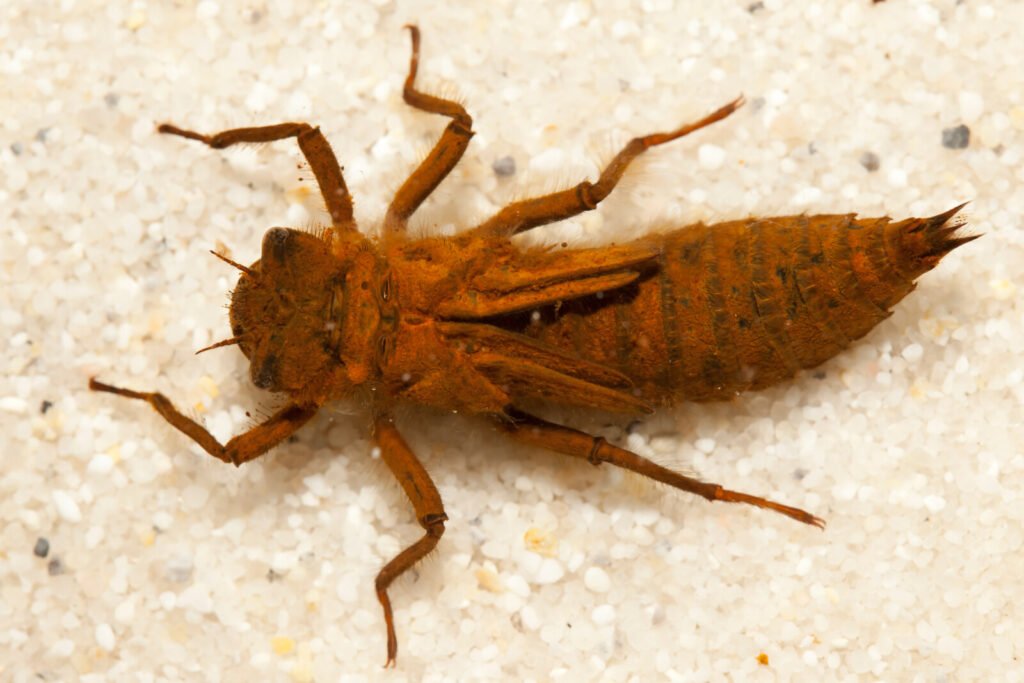
A Golden ringed Dragonfly Larvae…
Everything Is Connected
The more time I spend uncovering things about this catchment, the more I realise that very little exists in total isolation. Healthy streams provide habitat for dragonfly larvae. Flower-rich riverbanks and meadows support butterflies. Woodland creates sheltered glades and dappled sunny spots where insects can flourish.
Even the fallen trees we often talk about, this woody debris can create quiet backwaters where aquatic life can thrive. The river, the woodland, the meadow and the hedgerow aren't separate places. They're all little pieces of the same picture.
Perhaps that's why catchment management is so fascinating. It's never really about one species. Or one project. Or even one river. As with everything in this natural world, everything overlaps and everything is connected.
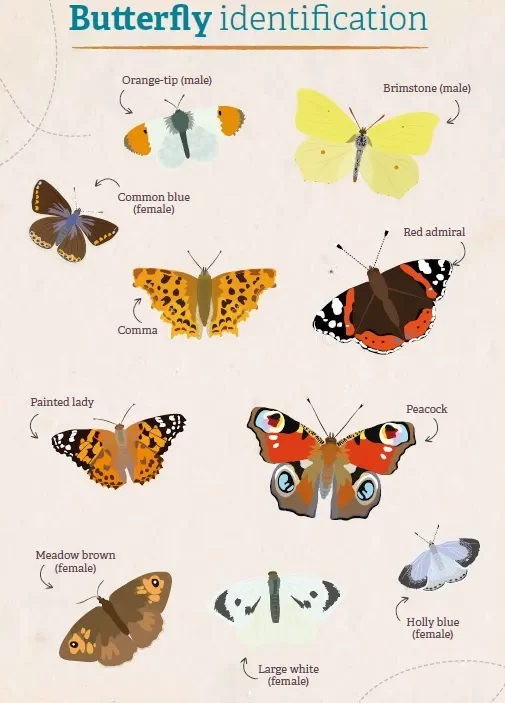
As much for me as it is for you…
Looking Up
I sometimes wonder how much wildlife I've missed over the years simply because I've spent most of my time staring into the water or at the end of my fly line!
Maybe the warm weather and prolonged dry spell has brought more butterflies and dragonflies this year? Or, perhaps I've simply slowed down enough to notice them all.
Either way, and regardless of the answer, I'm glad I did.
The next time you're beside the river, spend a few minutes looking up instead of down.
Watch a dragonfly patrol the river like an attack helicopter and see how many butterflies you can count along the margins. You don't need to know every species and I certainly don't!
Sometimes just noticing them is enough and being curious is a wonderful thing… Because once curiosity gets hold of you, there's every chance you'll never walk beside a river in quite the same way again!