
What are you seeing?
One of the things I've come to realise over the past few years is just how much time people spend beside rivers.
Anglers, obviously, when we can! But also dog walkers, runners, photographers, birdwatchers and plenty of people who simply enjoy getting out for a morning or evening stroll. Between us, we probably clock up thousands of hours every year wandering around the Teign catchment.
That's a lot of eyes. The question is... what are we actually looking at?
It's very easy to wander beside a river and simply admire the view. The water’s flowing. The sun’s shining. A Dipper blasts upstream. Job done!
But sometimes the important things happen to be much less obvious.
The little places matter
I had already planned today’s piece of writing, but an email from our Fisheries Officer at the Environment Agency sent me off in a slightly different direction.
Like many of us, the EA have been keeping a close eye on river levels across the region as this prolonged spell of hot, dry weather continues.
Interestingly, the greatest concern at the moment isn't really the main rivers. It's the little ones.
Reports are now beginning to come in of smaller tributaries drying up across the region, with the Scotley Brook becoming a particular priority for further monitoring here in the Teign catchment. The Environment Agency is preparing to mobilise fish rescue teams where they're needed most, but knowing where to send those teams is often the biggest challenge. And that really struck a chord with me.
Most of us instinctively focus on the main Teign or Bovey themselves, yet every drop of water in these larger rivers begins life somewhere much smaller. Tiny streams tumbling off the moor. Woodland brooks winding through the trees. Springs hidden away in valleys that most people never see. As you know, these headwaters are the lifeblood of the catchment.
When they begin to struggle, it won't be too long before the rest of the river starts to feel the effects too.
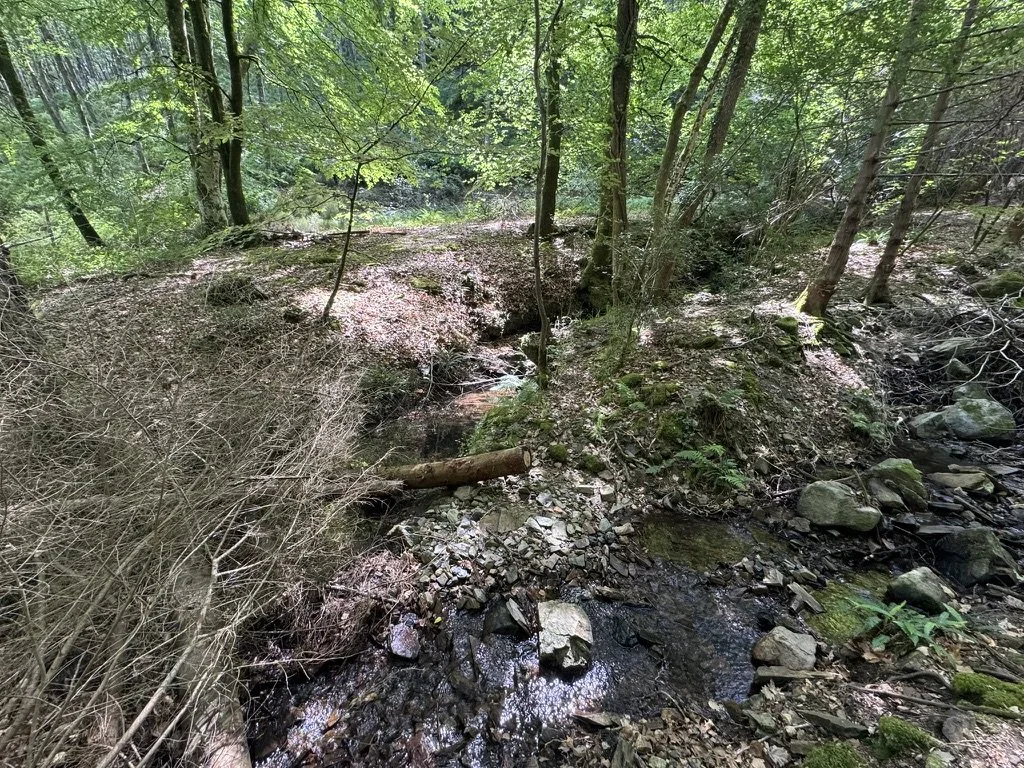
Small brooks still flowing into the main river…
Knowing what's normal
One of the biggest advantages local people have is something that can't be taught. And no, it’s not where to find the perfect pint on Dartmoor… It’s that we all know our patch!
You know the brook you walk past every morning with the dog. You know the little stream that normally trickles under that bridge. You know which pools usually hold fish through the summer. That's valuable knowledge and is kind of ingrained within us out of habit. If something suddenly looks different, then most likely, it probably is.
A stream that's stopped flowing altogether. A series of isolated pools. Fish becoming trapped. Water levels that simply don't look right. Those observations might only take you a few seconds to notice, but they can provide exactly the information the Environment Agency needs to decide where to concentrate its efforts and investigate further.
Don't assume someone else has
One thing I've learnt through conservation work is that people often assume someone else will have acted on an incident. The truth is, quite often, they haven't.
The Environment Agency relies heavily on reports from people on the ground. It simply isn't possible for them to monitor every tributary every day, particularly during periods like this.
So if you do come across something that concerns you, pick up the phone. Take a photograph if you can do so safely. Drop a pin on your map or use What3Words to pinpoint exactly where you are.
Then report it through the Environment Agency Incident Hotline. That one phone call might be the reason a fish rescue happens before it's too late.
Environment Agency Incident Hotline: 0800 80 70 60
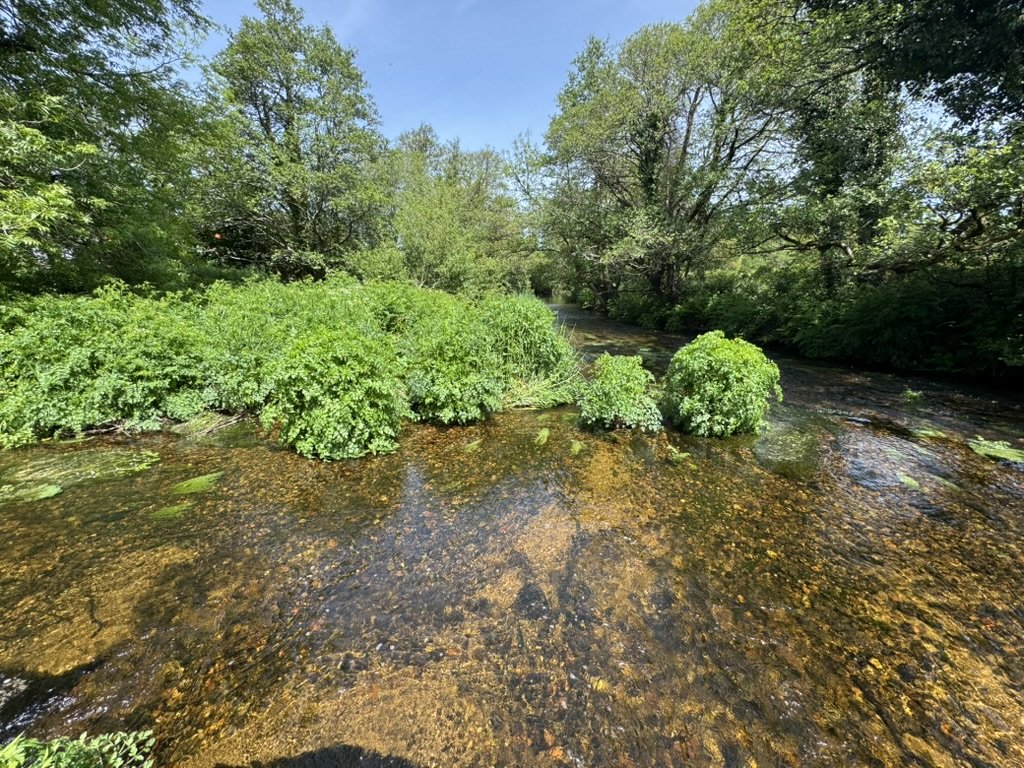
A catchment effort
One of the things I enjoy most about doing this is that it brings together people who all notice different things. Some have a knack for spotting good fish moving through the system. Others notice newer patches of invasive plants. Some keep an eye on water quality. Others spend hours on Riverfly or monitoring temperatures.
None of those observations, on their own, tells the whole story. Together they build a picture of what's happening across the catchment.
This summer is reminding us once again that rivers don't always need dramatic incidents to get into difficulty. Sometimes a long period without rain is drama enough!
I'm still hoping for one of those proper Dartmoor downpours before too long. Although, knowing our luck, it'll probably arrive on the first Saturday of the school holidays and continue until everyone goes back in September!
Until then, if you're out enjoying the Teign, keep your eyes open. Not because every stream is in trouble. But because if one is, you might just be the first person to notice.