
Seeing What Summer Hides
There’s a short window on our rivers each year where everything feels a little more… well, exposed.
The leaves are gone. The banks are open. Days are getting longer, allowing for some proper time outdoors. And with that comes a chance to see the structure of the river, and everything around it, laid bare in a way that’s easy to miss once spring properly gets a foothold.
In short… now is a brilliant time to walk a river.
Not just because you can see further (although that definitely helps), but because you can start to understand something that becomes much harder to judge in a month or two’s time…
We’re talking about light. Shade. And balance.
Reading light, shade & balance
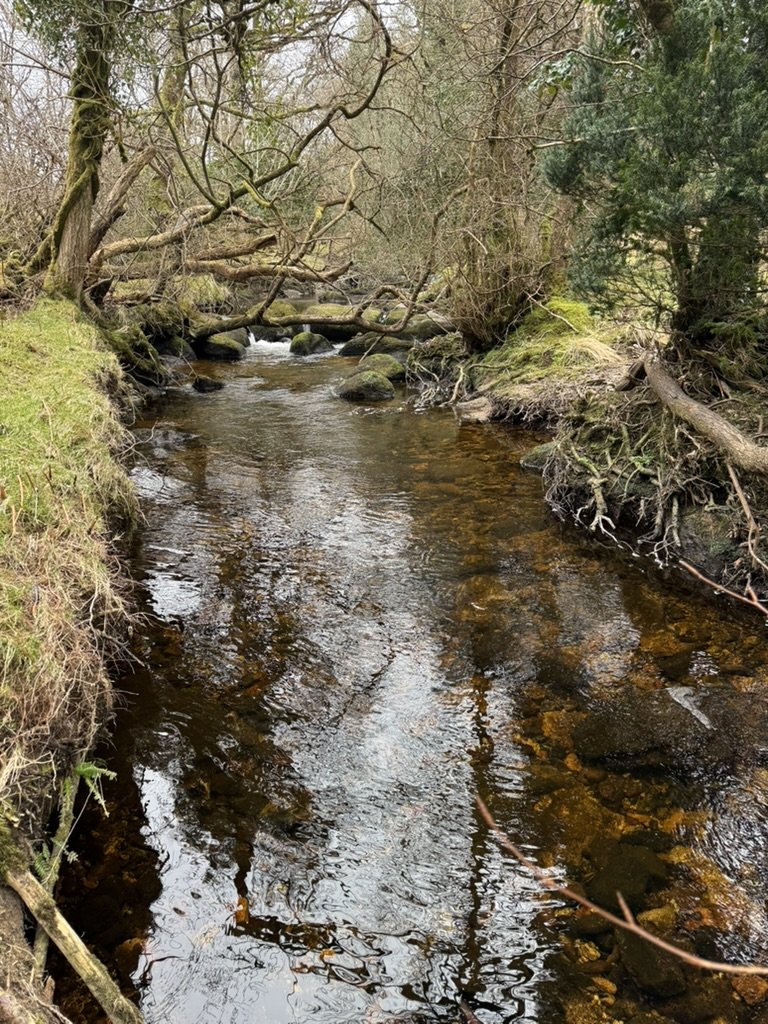
Do yourself a favour next time you’re out… stand on the bank and look upstream. What you’ll notice, if you take a moment, is just how much light is reaching the water. Every branch and twig is visible. Every gap in the canopy, each one a place where the sun can get in.
Fast forward a few weeks, and those same branches will be carrying a full leaf canopy. Areas that feel open now will sit under a deep, greenish shade. What looks like “plenty of light” today can very quickly turn into “very little light”.
And that’s the key point.
This time of year gives us a rare opportunity to look right into the skeleton of the river and understand what it’ll feel like in summer, before it actually happens. It’s a bit like seasonal time travelling!
Why shade matters (but not too much!)
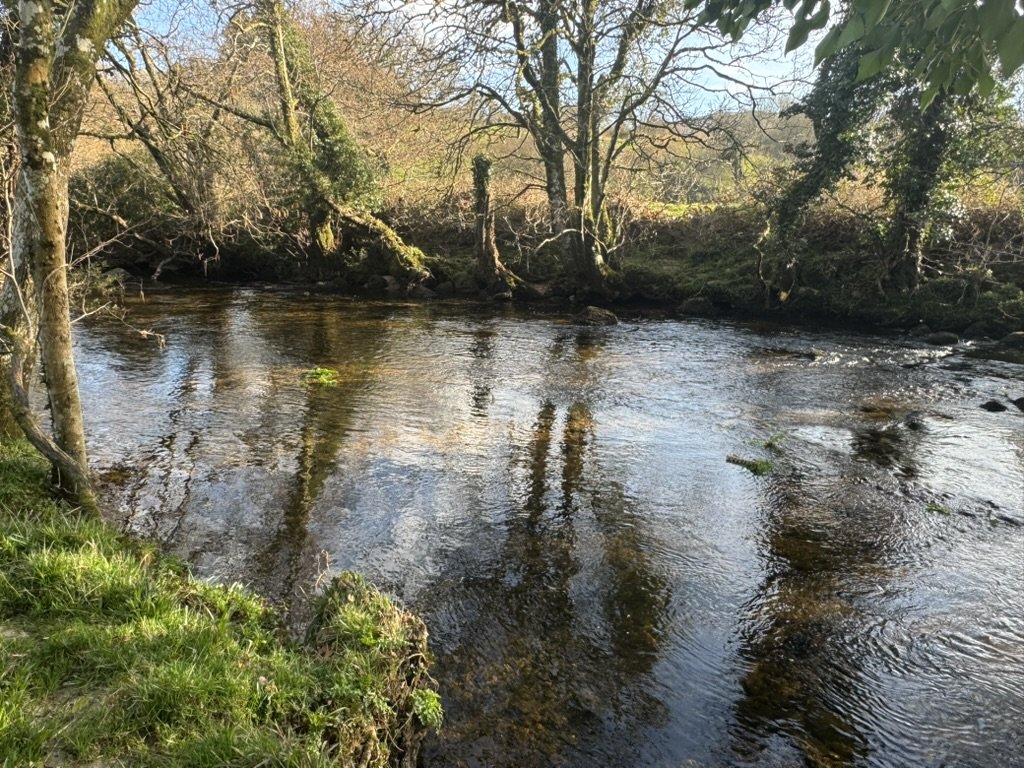
There’s a reason why riparian shade has become such a big part of the conversation in river restoration. Quite simply, trees help keep rivers cool.
Shaded stretches can be (in the right flow conditions) a couple of degrees cooler than fully exposed sections. That doesn’t sound like much, but for species like our salmonid friends, it can make a real difference during the warmer spells. And as we’ve seen in recent summers… temperature is becoming more of a thing - alongside the ever-increasing SPF number I have to slap on just to protect my blueish-white hue!
But, and it’s a very important but, more shade isn’t always better.
If there’s one thing we know from studying the Teign catchment, it’s that rivers don’t want to be tunnels.
Too much continuous shade can suppress important river plants, reduce productivity, and strip out habitat variety. As we know from Riverfly and walkover surveys, some areas benefit from sunlight - particularly the shallower margins, riffles, and sections where invertebrate life thrives on the balance between light and flow.
What rivers really want is proper variety. A mosaic of dappled shade. Not full sun. Not full shade. Something in between.
If you’re anything like me and enjoy going down the rabbit hole on this sort of thing, the Woodland Trust have put together some really useful guidance on keeping rivers cool and managing riparian woodland. It’s well worth a read if you want to dig a little deeper…
Reading banks differently
This is where walking the river now becomes incredibly useful. You can start asking simple questions:
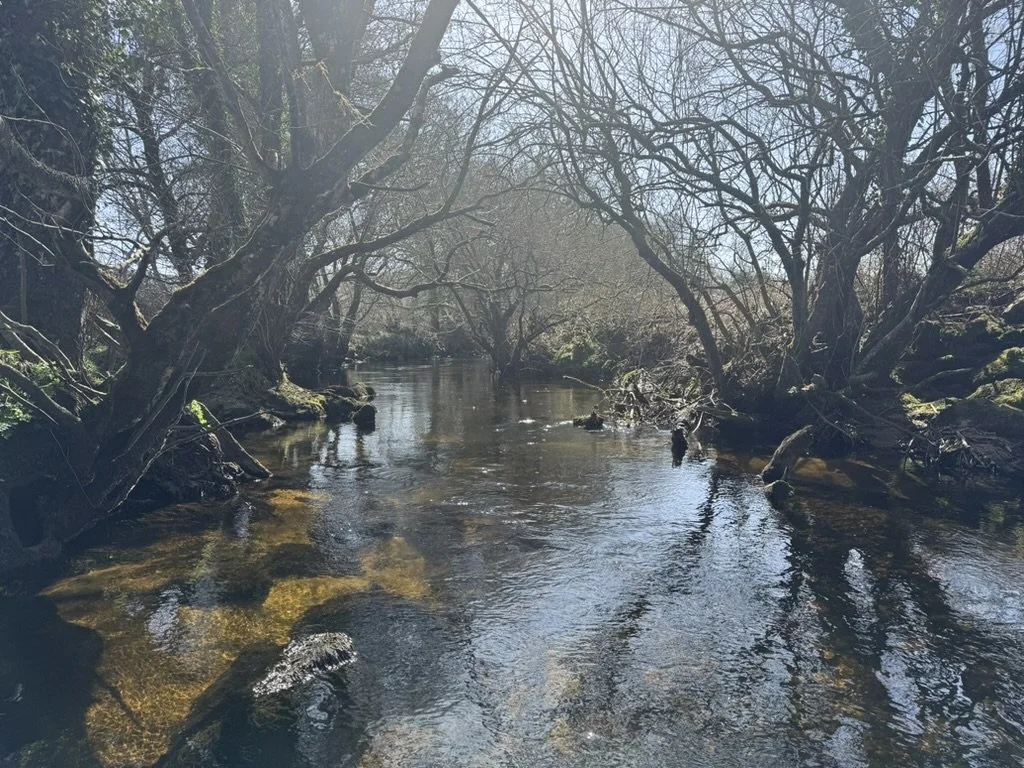
Where is the river completely exposed?
Where are branches already meeting from both banks?
Where might that become too much once the leaves come in?
And just as importantly…
Where is the structure in the river itself?
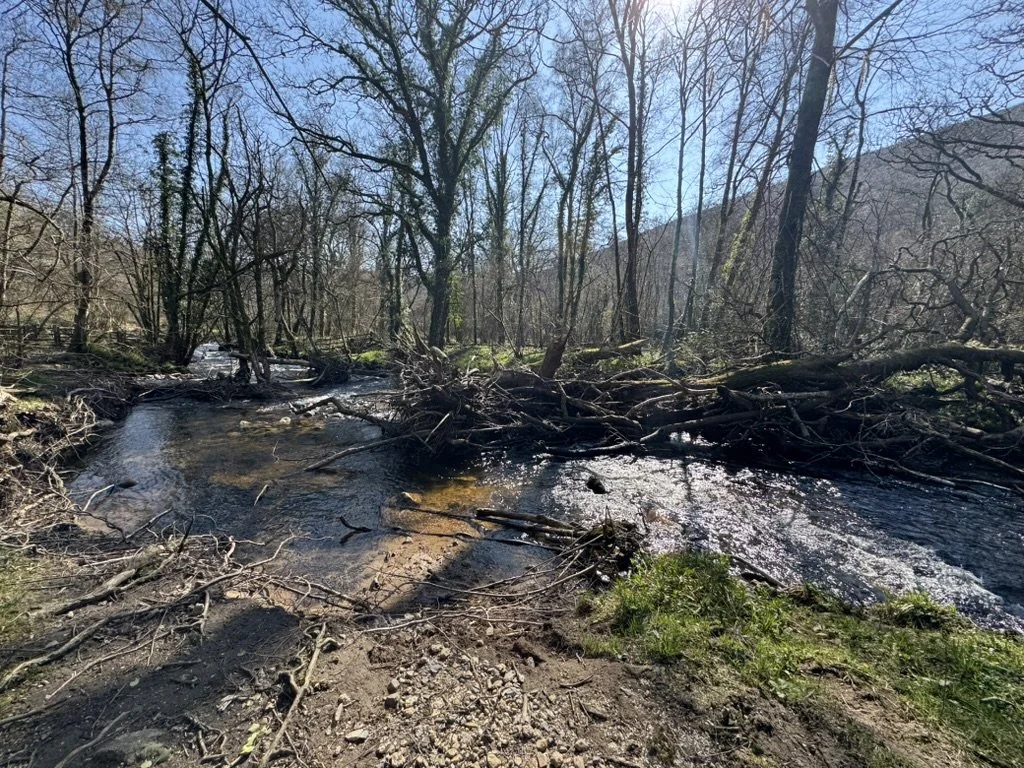
Because it’s not just about trees standing on the bank - it’s about what those trees do. As we know all too well, branches fall. Trees lean. Wood finds its way into the channel. And in most cases, that’s not a problem to be tidied away; it’s actually part of how the river works. Woody material creates variation in flow, sorts gravels, traps silt, provides refuge, and helps form those little pockets of cooler water fish need. Basically, it’s all part of the same programme.
The Temptation to ‘Tidy up’
Now… this is usually the point where things can go slightly wrong if a balanced approach isn’t followed. Because when you can see everything clearly, there’s often a temptation to act…
A few overhanging branches?, “Probably best take those out.”
A slightly shaded stretch?, “Could open that up a bit.”
All very reasonable proposals… if managed sensitively.
I like to think of riverine tree management a bit like amateur hairdressing - you can always take it out, but you can’t put it back. Hence the reason I took up fishing and leave my flowing locks to far more experienced hands!
Unfortunately, this well-meaning approach can also tip into something more heavy-handed. And more so, where funding or incentives are involved.
What I tend to call… the scorched earth approach. And more often than not, this leaves the river worse off. Because once those trees are gone, they’re gone. And what replaces them is rarely balance… but exposure. In turn, we end up with less structure and less resilience.
A balanced way forward
If there’s one thing this time of year should encourage, it’s to pause, look and plan. Look first. Understand what’s in front of you. Then act, and act carefully, with balance at the centre of whatever is proposed.
Sometimes, yes, a bit of selective thinning is exactly what’s needed. Letting a little more light reach the water in the right places can improve habitat and restore balance.
Remember, rivers operate on a much longer timeline than we do and often, the answer isn’t removal, it’s working with what’s already there. That might mean:
Letting certain areas fill out to provide future shade over a productive pool.
Protecting and retaining trees that will become important later.
Where appropriate and permitted, using cut material to introduce structure into the river itself.
Or, sometimes it’s not about removing a tree at all, but lifting the canopy - coppicing to let more light in, particularly on a south-facing bank.
Pinned woody material. Hinged trees. Subtle interventions that mimic what rivers would naturally be doing if we hadn’t tidied and straightened them quite so much over the years. Done properly, it’s not about control. Think of it as more about subtle guidance.
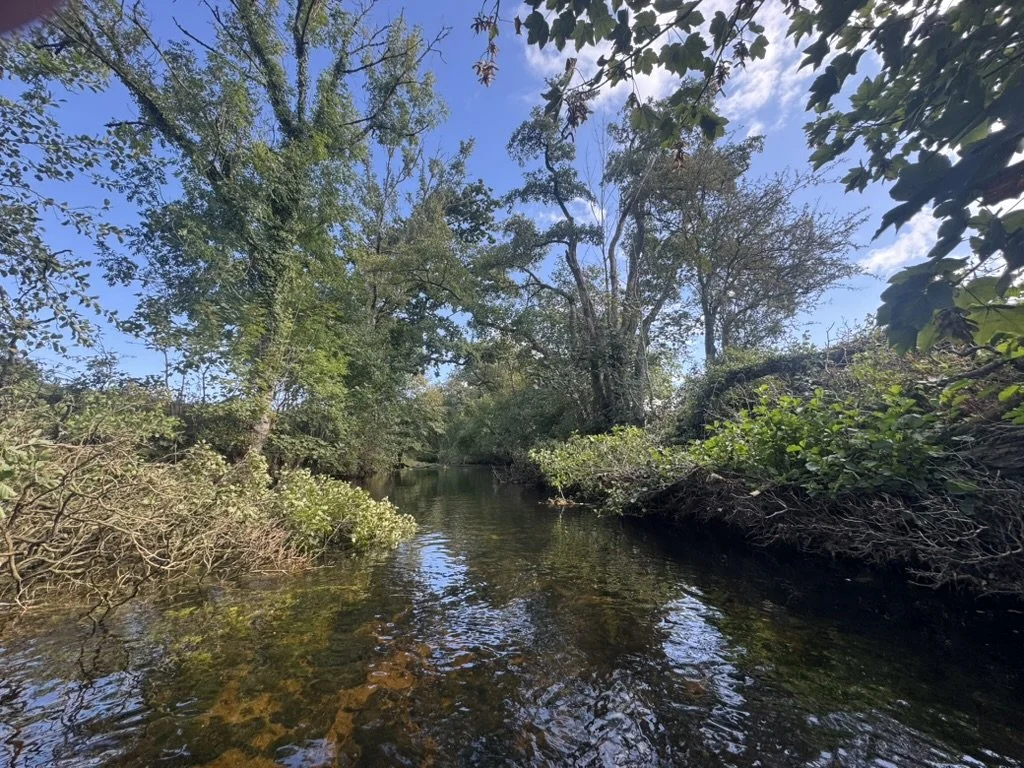
The value of seeing clearly
Give things a month or two, and this unique skeletal view vanishes. The tree canopy fills in, and the river tucks itself back under cover. And judging light, shade and structure becomes much harder. But right now, with everything still open, you get a glimpse of this underlying framework.
Where light will fall. Where it won’t. Where things feel in balance… and where they don’t. It’s honestly such a good time to walk slowly. To watch. To notice.
Very quickly, you’ll start to see rivers not just as water moving through a landscape, but as systems shaped by what grows alongside them… and falls into them.
Because once you’ve seen that balance, and I mean really seen it, it’s quite hard to unsee. And that’s usually where good decisions are made!